Business Executive, Innovation Expert, Strategic Consultant
John Canfield Biography
John Canfield is an experienced business executive and coach known for implementing effective planning, problem-solving, creativity, and innovation processes across various teams, organizations, industries, and cultures. His expertise particularly shines in fostering environments of accelerated growth and ambition, making him a valuable asset in today's dynamic corporate landscape.
Canfield has over thirty years of experience speaking to diverse audiences, ranging from large conventions to executive boardrooms. He has delivered speeches to more than one thousand audiences worldwide. His engaging presentations are tailored to inspire leadership and manage teams effectively during times of change, resonating well with businesses aiming to transform mindsets and navigate transitions smoothly.
His clients include prominent names such as AT&T, Citibank, Deloitte & Touche, First USA, General Motors, Merck, and Underwriters Lab, along with thousands of participants from his seminars and keynote speeches presented across North and South America, Europe, and Asia. Canfield's approach involves a mix of purposeful speaking and humor, enabling him to connect with his audience, adjust the mood, raise the energy level, and leave a lasting impact with a memorable closing story.
Canfield also serves as an instructor and consultant for various institutions including Advanced Practical Thinking Training, The American Management Association, and The Canadian Management Center. He is involved with the American Supplier Institute, The Forum Corporation, Leadership Strategies, and Lean Enterprise Institute, among others, enhancing his reputation as a leader in creative and strategic thinking.
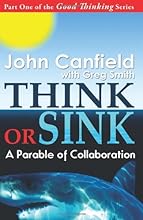
His "Good Thinking Series," a four-part publication available on Amazon, offers practical strategies and tools to bolster organizational performance by enhancing effective thinking among leaders and employees. The series covers crucial topics such as collaboration skills, problem-solving, creative thinking, strategic planning, and scenario planning.
Canfield holds a B.S. in Mechanical & Industrial Engineering from the University of Minnesota and a B.A. in Political Science and Psychology from Williams College. His prior roles include Senior Engineering Manager at Intel Corporation and Director of Corporate Quality and Design Research at Herman Miller, underscoring his extensive background in leading quality and design initiatives.
Contact a speaker booking agent to check availability on John Canfield and other top speakers and celebrities.
John Canfield Speaking Topics
-
Collaboration Skills - Resolving Conflict/Managing Options
-
Better Meetings
Apply Modern Improvement Approaches and Tools Where They Matter Most
John Canfield Videos

Jack Canfield - 6 Things You Must Do to Transform Your Life
Jack Canfield the author of Chicken Soup for The Soul and The Success Principles caught up with Joel Brown the founder of Addicted2Success to talk...
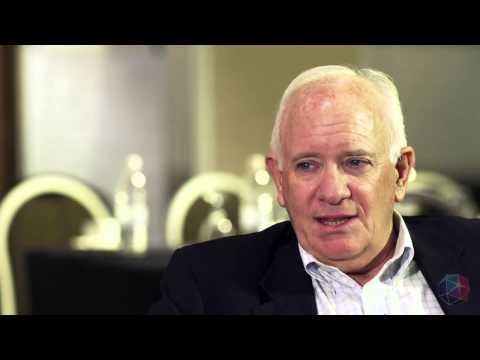
John Canfield - Introductory Video
John Canfield has helped hundreds of clients around the world build high performance teams. This video, filmed in Kuala Lumpur, Malaysia in 2014,...
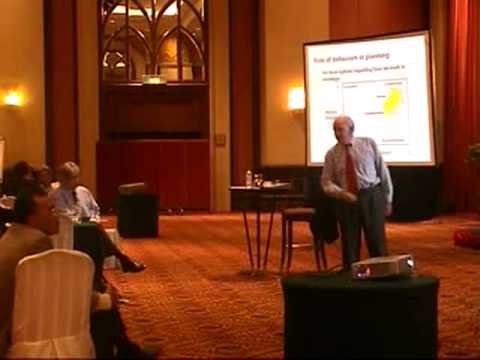
John Canfield - Keynote Speaker - Formal
World-class professional speaker John Canfield has been described as: "The best speaker I have ever had" "Very energetic speaker! Used a lot of...


-
How do I book John Canfield to speak at my event?
Our experienced booking agents have successfully helped clients around the world secure speakers like John Canfield for speaking engagements, personal appearances, product endorsements, or corporate entertainment since 2002. Click the Check Availability button above and complete the form on this page to check availability for John Canfield, or call our office at 1.800.698.2536 to discuss your upcoming event. One of our experienced agents will be happy to help you get speaking fee information and check availability for John Canfield or any other speaker of your choice. -
What are the speaker fees for John Canfield
Speaking fees for John Canfield, or any other speakers and celebrities, are determined based on a number of factors and may change without notice. The estimated fees to book John Canfield are $20,000 - $30,000 for live events and $10,000 - $20,000 for virtual events. For the most current speaking fee to hire John Canfield, click the Check Availability button above and complete the form on this page, or call our office at 1.800.698.2536 to speak directly with an experienced booking agent. -
What topics does John Canfield speak about?
John Canfield is a keynote speaker and industry expert whose speaking topics include Business, Business Growth, Innovation, Leadership, Personal Growth, Strategic Leadership -
Where does John Canfield travel from?
John Canfield generally travels from Grand Rapids, MI, USA, but can be booked for private corporate events, personal appearances, keynote speeches, or other performances. For more details, please contact an AAE Booking agent. -
Who is John Canfield’s agent?
AAE Speakers Bureau has successfully booked keynote speakers like John Canfield for clients worldwide since 2002. As a full-service speaker booking agency, we have access to virtually any speaker or celebrity in the world. Our agents are happy and able to submit an offer to the speaker or celebrity of your choice, letting you benefit from our reputation and long-standing relationships in the industry. Please click the Check Availability button above and complete the form on this page including the details of your event, or call our office at 1.800.698.2536, and one of our agents will assist you to book John Canfield for your next private or corporate function. -
What is a full-service speaker booking agency?
AAE Speakers Bureau is a full-service speaker booking agency, meaning we can completely manage the speaker’s or celebrity’s engagement with your organization from the time of booking your speaker through the event’s completion. We provide all of the services you need to host John Canfield or any other speaker of your choice, including offer negotiation, contractual assistance, accounting and billing, and event speaker travel and logistics services. When you book a speaker with us, we manage the process of hosting a speaker for you as an extension of your team. Our goal is to give our clients peace of mind and a best-in-class service experience when booking a speaker with us. -
Why is AAE Speakers Bureau different from other booking agencies?
If you’re looking for the best, unbiased speaker recommendations, paired with a top-notch customer service experience, you’re in the right place. At AAE Speakers Bureau, we exclusively represent the interests of our clients - professional organizations, companies, universities, and associations. We intentionally do not represent the speakers we feature or book. That is so we can present our clients with the broadest and best performing set of speaker options in the market today, and we can make these recommendations without any obligation to promote a specific speaker over another. This is why when our agents suggest a speaker for your event, you can be assured that they are of the highest quality with a history of proven success with our other clients.
John Canfield is a keynote speaker and industry expert who speaks on a wide range of topics such as Collaboration Skills - Resolving Conflict/Managing Options, Better Meetings, Organizational Artificial Harmony and . The estimated speaking fee range to book John Canfield for your event is $20,000 - $30,000. John Canfield generally travels from Grand Rapids, MI, USA and can be booked for (private) corporate events, personal appearances, keynote speeches, or other performances. Similar motivational celebrity speakers are Jordan Goldman, Michael Gelb, Nicholas de Wolff, Seth Mattison and Tom Koulopoulos. Contact All American Speakers for ratings, reviews, videos and information on scheduling John Canfield for an upcoming live or virtual event.
Need Quick Answers?
We are happy to help! Call us to speak with a booking agent about your event or specific speaker request.
Our celebrity booking agents can:
-
Gauge interest and check availability for speaking engagements, appearances or corporate events
-
Provide you with the speaking fee to book John Canfield or other celebrity appearance fees
-
Give you personal recommendations for the best keynote speakers or celebrities
-
Assist you with any questions you have throughout the talent booking process
Speakers Similar to John Canfield

Named "One of the top young entrepreneurs in America" by...
View Profile
Creative Thinking Expert, Author, Innovation Consultant
View Profile
Digital Media & Brand Strategy; Economic & Social...
View Profile
Co-Founder & CEO of FutureSight Labs; Future of Work...
View Profile
Industry Leading Digital Futurist, Author & Founder of...
View Profile
Authority on Innovation & Leadership, Serial Entrepreneur,...
View Profile
Entrepreneur & Best-selling Author; Known for "Little Bets:...
View Profile
Global Change Management Expert, Transition &...
View Profile
Founder of Constellation Research, AI Expert, Author
View Profile
Globally Recognized Expert on Megatrends & Sustainable...
View Profile
Former Global President of Entrepreneurs' Organisation,...
View Profile
Bestselling Author, Venture Investor, Former Executive at...
View Profile
Founder & Group CEO of Karrikins Group, Innovative Business...
View Profile
Former Senior-Level Manager at Southwest Airlines; Founder...
View Profile
Internationally Recognized Graffiti Artist, Entrepreneur &...
View Profile
Accelerating Growth Motivator, Olympian & New York Times...
View Profile
Marketing & Sales Futurist, Customer Experience Thought...
View Profile
Business Thought Leader, Philosopher, Corporate Advisor &...
View Profile
Expert on the Psychology of "Applied Imagination"
View ProfileThis website is a resource for event professionals and strives to provide the most comprehensive catalog of thought leaders and industry experts to consider for speaking engagements. A listing or profile on this website does not imply an agency affiliation or endorsement by the talent.
All American Entertainment (AAE) exclusively represents the interests of talent buyers, and does not claim to be the agency or management for any speaker or artist on this site. AAE is a talent booking agency for paid events only. We do not handle requests for donation of time or media requests for interviews, and cannot provide celebrity contact information.
If you are the talent and wish to request a profile update or removal from our online directory, please submit a profile request form.